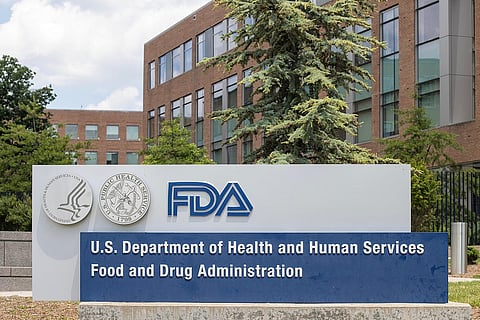

The U.S. Food and Drug Administration is moving to a one-study default for new drug approvals
This policy expands a practice already used for cancer and rare diseases
Regulators say modern biological understanding and advanced data tools make confirmatory trials less necessary than before
FRIDAY, Feb. 20, 2026 (HealthDay News) — In a major shift that could fundamentally change how new medicine reaches the pharmacy, the U.S. Food and Drug Administration (FDA) is relaxing a long-standing drug approval requirement for common diseases.
Drugmakers must often complete two separate, large-scale studies to prove a new medication is effective.
Going forward, the FDA’s default position will be to require only one rigorous study for new drugs and other innovative health products.
FDA Commissioner Dr. Marty Makary and his top deputy, Dr. Vinay Prasad, detailed the plan Feb. 18 in The New England Journal of Medicine. The move is the latest in a series of FDA efforts to eliminate hurdles and shorten the timeline for medical reviews.
The requirement for two adequate and well-controlled investigations goes back to the early 1960s. For decades, the second study was designed to be a safety net, confirming that the success of the first trial was not a statistical fluke.
However, FDA leadership now argues that modern science is far more precise.
“In this setting, overreliance on two trials no longer makes sense,” Makary and Prasad wrote, suggesting that the agency has better ways to verify a drug's value today than in the past.
“In 2026 there are powerful alternative ways to feel assured that our products help people live longer or better than requiring manufacturers to test them yet again,” they wrote.
While the new policy marks a significant change for drugs treating common ailments, the FDA has been moving in this direction for years.
Since the 1990s, it has often accepted a single study for treatments targeting rare or deadly diseases where recruiting enough participants for multiple trials is difficult.
About 60% of brand-new drugs approved over the last five years were cleared after one study, according to The Associated Press.
Dr. Janet Woodcock, the FDA's principal deputy commissioner, noted that the new policy will mostly affect medications for common diseases that previously did not qualify for the lower testing hurdles. Regarding cancer and rare disease treatments, Woodcock noted, “The agency has been approving those on a single trial already.”
Despite the shift, FDA officials emphasized that they are not lowering the bar for safety. The agency still retains the authority to demand secondary or even third studies if the initial data is not convincing.
Proponents hope the change will spark a surge in drug development by making it cheaper and faster for companies to get medications to market.
Makary has also directed the agency to shorten FDA reviews in other ways, such as mandating the use of artificial intelligence and offering one-month reviews for some new medications that serve “national interests."
More information
The U.S. Food and Drug Administration explains its longstanding drug development and approval process.
SOURCES: The Associated Press, Feb. 18, 2026; The New England Journal of Medicine, Feb. 18, 2026
While this change aims to get new treatments to patients years earlier, the specific evidence for the drug approval needs to be discussed by patients and doctors. Responses should be closely monitored at the start of any new therapy.