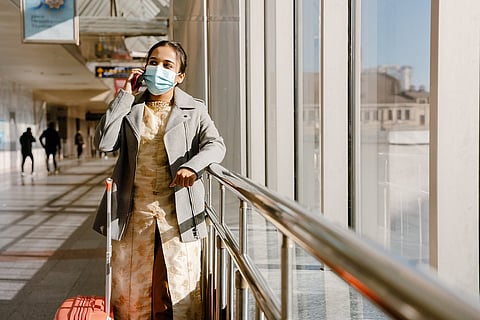

Two health workers in India tested positive for Nipah virus
The World Health Organization says the risk of wider spread is low
Some other Asian countries have stepped up airport screenings
TUESDAY, Feb. 3, 2026 (HealthDay News) — The World Health Organization (WHO) says there is a low risk that the deadly Nipah virus will spread beyond India, where two people tested positive.
In an email sent to the Reuters news agency, the WHO said it does not recommend travel or trade restrictions in the wake of the infections.
“The WHO considers the risk of further spread of infection from these two cases is low,” the agency told Reuters.
It also noted there is “no evidence yet of increased human-to-human transmission.”
The WHO said it is working closely with Indian health officials to track the situation, NBC News reported.
Still, several places in Asia, including Hong Kong, Malaysia, Singapore, Thailand and Vietnam, have increased airport screening checks this week as a precaution.
Nipah is a virus carried by fruit bats and animals like pigs. It can cause fever and swelling of the brain. The death rate ranges from 40% to 75%, and there is no approved treatment or vaccine, though vaccines are being tested.
People can become infected through contact with bats, contaminated fruit, or close, prolonged contact with someone who is sick. Health experts say person-to-person spread is uncommon.
Small outbreaks happen from time to time, and virologists say the overall risk to the public remains low.
The WHO classifies Nipah as a priority pathogen because of the lack of vaccines or treatments; its high fatality rate; and the concern that it could one day become easier to spread.
The two people infected are health workers in India’s eastern state of West Bengal and are being treated in the hospital, local officials said.
The WHO said the exact source of this outbreak is still under investigation. Nipah naturally circulates among bats in parts of India and nearby Bangladesh.
India has reported several Nipah outbreaks in recent years, especially in the southern state of Kerala. This marks India’s seventh recorded outbreak and the third in West Bengal, its fourth-most populous state. Outbreaks in 2001 and 2007 were in districts bordering Bangladesh, which reports outbreaks almost every year, according to the WHO.
More information
World Health Organization (WHO) has more on the Nipah virus.
SOURCE: NBC News, Jan. 30, 2026
Health officials say the risk to the public is low. There’s no need to change travel plans, but avoiding contact with wild animals and washed fruit in affected areas is critical.
