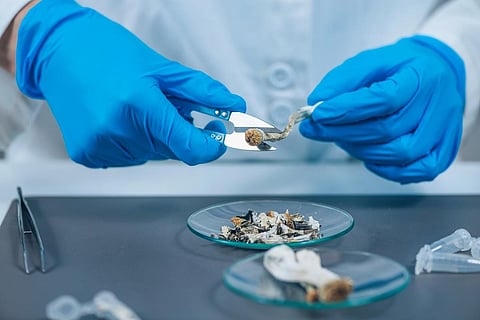

TUESDAY, May 5, 2026 (HealthDay News) -- An estimated 8 million Americans have used magic mushrooms (psilocybin) in the past year, according to a research letter published online April 21 in The American Journal of Psychiatry.
Kevin H. Yang, M.D., from the University of California San Diego School of Medicine in La Jolla, and colleagues used data from 58,633 respondents (aged 12 years and older) from the 2024 National Survey on Drug Use and Health to characterize the epidemiology of psilocybin use.
The researchers found that 2.8 percent of participants used psilocybin in the past year, corresponding to approximately 8.0 million U.S. individuals. Compared with participants aged 35 to 49 years, those aged 18 to 25 years had higher odds of past-year psilocybin use (adjusted odds ratio [aOR], 1.41), while those 50 years and older had lower odds (aOR, 0.35). Lower odds of use were seen among women versus men (aOR, 0.60), as well as among Black (aOR, 0.40) or Hispanic individuals (aOR, 0.69) versus White individuals. Participants with some college education (aOR, 2.35) or a college degree (aOR, 2.63) had increased odds of use compared with those with less than a high school education. Psilocybin use was associated with past-year substance use, including cannabis (aOR, 13.62), LSD (aOR, 7.87), ketamine (aOR, 6.03), ecstasy (aOR, 3.52), prescription stimulant misuse (aOR, 1.95), cocaine (aOR, 1.90), alcohol use disorder (aOR, 1.32), and nicotine vaping (aOR, 1.22). A past-year major depressive episode was associated with increased odds of psilocybin use (aOR, 1.37).
"With 8 million Americans using psilocybin in the past year, this is something that psychiatrists and other clinicians should be asking about, including why patients are using it and what benefits they perceive, as well as being prepared to counsel them on harm reduction and potential risks," Yang said in a statement.
