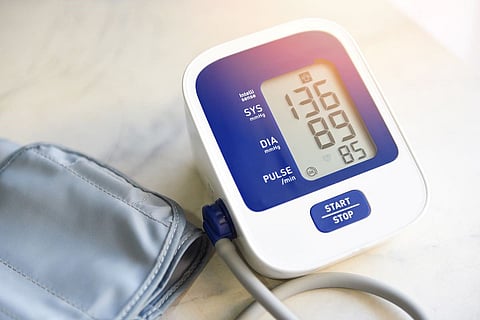

WEDNESDAY, June 24, 2026 (HealthDay News) -- Digital telemonitoring of blood pressure (BP) significantly lowers BP and improves cardiovascular outcomes, according to a study published in the June issue of the European Heart Journal-Digital Health.
Janet Hanley, from Edinburgh Napier University in Scotland, and colleagues assessed the impact of BP telemonitoring on cardiovascular outcomes. The analysis included 454,180 adults with hypertension who had a prescription for a first-line antihypertensive drug at any time from March 2019 through February 2021. Patients with one year of BP telemonitoring (approximately 9,500 participants) and those without BP telemonitoring were matched for age, sex, ethnicity, social deprivation, number of antihypertensive drugs, diabetes, and having a BP assessment in the same year.
The researchers found that those who used telemonitoring were significantly younger, were less likely to have diabetes, and took less antihypertensive medication. Use of telemonitoring for more than one year was associated with a mean reduction in systolic BP by three months, which was maintained for at least the remainder of the year. Compared with those using standard care, those using telemonitoring experienced significant reductions in cardiovascular outcomes, including hospitalizations and deaths from acute coronary syndrome, stroke, or uncontrolled heart failure (adjusted odds ratio, 0.665).
"This study provides the strongest evidence to date that telemonitoring not only reduces blood pressure but strokes and heart attacks, too," coauthor Brian McKinstry, from the University of Edinburgh, said in a statement. "It is important that we enable people from the most socioeconomically deprived parts of the country who are most at risk of these conditions to benefit from it."
